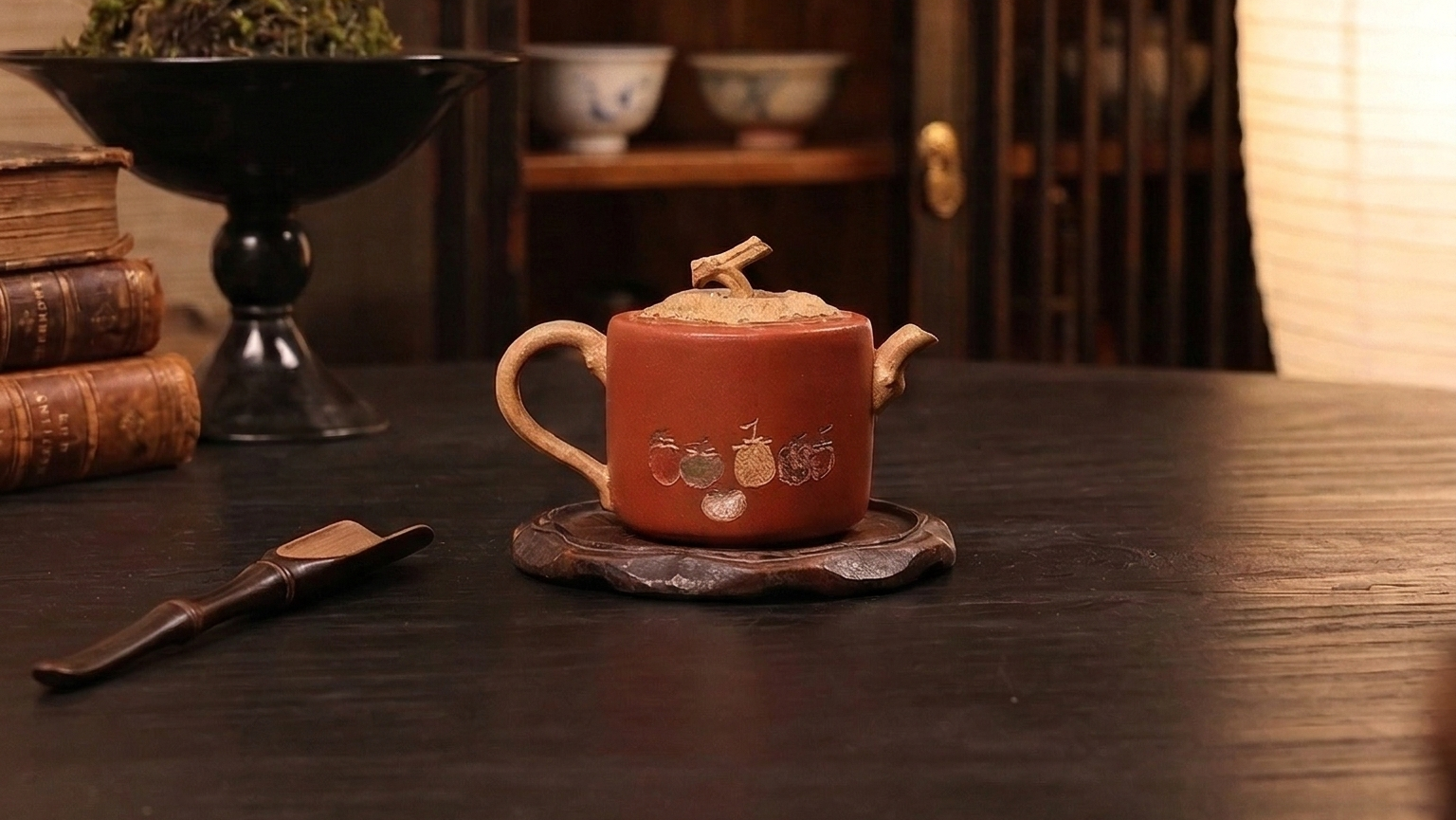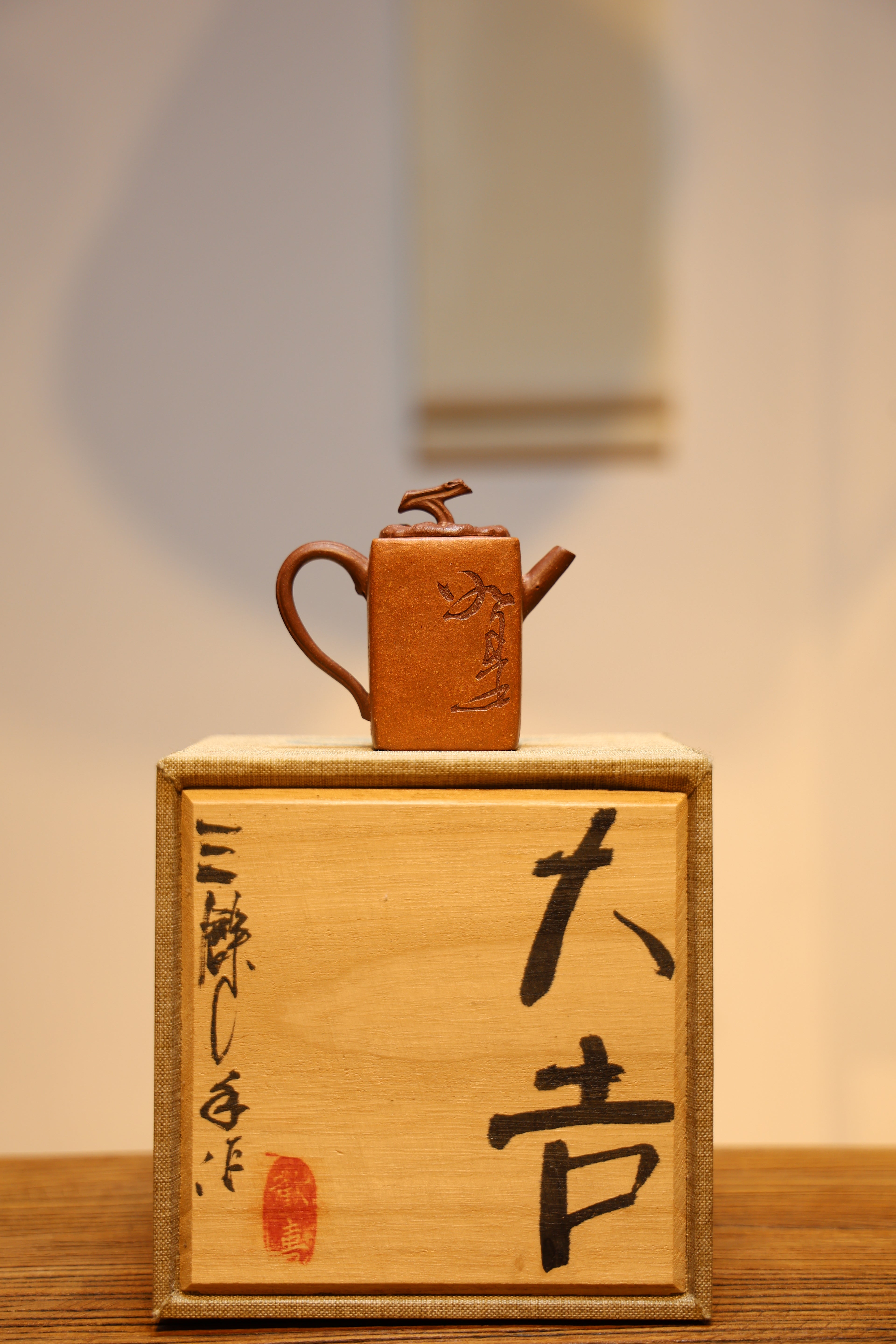
Millennia of devotees have sought the uncommon attraction of Yixing Zisha kettles. Emerging in the quaint town of Yixing, the land, these earthenware are shaped from a unique and sourced purple clay renowned for its outstanding thermal properties and facility to amplify the savor of liquids. More than their useful value, Zisha teapots manifest a time-honored traditional inheritance, causing them highly admired and a undisputed masterpiece for any passionate teapot lover.
Surveying Yixing Containers
Authentic teapots represent a distinct integration of history and traditional craftsmanship. Originating in Yixing, Jiangsu Locale of China, their narrative extends to the Ming Dynasty, although indications suggest earlier examples. The exclusive reddish-brown clay, called Zisha, found merely in the Yixing region, is the integral component, contributing to the pots' exceptional heat sustaining and the manner they modify the flavor of tea. Continuums of potters have enhanced techniques—often passed down through families—including modeling the clay, applying detailed embellishments, and firing the pots at deliberate temperatures.- Initially, Yixing teapots were often adorned with simple designs.
- In due course, more intricate carvings and graphic motifs became favored.
- The baking itself is a indispensable element, requiring long durations of mastery.
Amassing Zisha Teapots: Essential Criteria
Beginning a expedition to acquire Zisha kettles can be rewarding, but it’s vital to learn what to examine. Authenticity is fundamental; focus on the earth’s natural cast, a subtle reddish-brown is standard. Examine the structure; genuine Zisha has a characteristic tactile sensation, often depicted as slightly rough. The design should be well-proportioned and consistent with traditional styles, while stamps, if present, require scrupulous examination for genuineness. Don’t hold back to consult with professional consultants or established contacts – their understanding is invaluable.
A Containers: Surveying the Tradition of the Yixing Purple Ware
Millennia have seen Yixing Zisha teapots occupy a important role in Chinese custom. These carefully constructed pots, sourced exclusively from the region of Yixing, are renowned for their recognizable tone, grain, and their ability to amplify the aroma of tea. Numerous collectors pursue antique Yixing teapots, regarding them deeply not only for their aesthetic loveliness, but also for the records they express.
Yixing Zisha Teapots: Exceptional Best Types and Their Qualities
Purple Earthenware teapots, established in the renowned district of Yixing, the People’s Republic, are renowned for their distinctive clay and outstanding brewing skills. Amidst the different Zisha types, notable classes that are highly admired include Huiwan. Binzhou, known for its rich purple shade and fine texture, delivers a mild flavor. Duan Ni form, recognizable by its coppery color and a little grainy feel, is said to enhance tea’s heft. Lastly, Zhuni sort boasts an extraordinary ruby tone and can lend a sweet nuance. Each category yields a special experience, rendering them considerably desirable towards brew enthusiasts.
Achieving One’s Purple Clay Cup
To realize the essence of your Yixing kettle, appreciating the correct way is vital. These clay pots, celebrated for their texture, will incrementally take on the nature of the tea you infuse within them. Begin by washing the urn thoroughly with heated water. Then, use only high-quality unpacked leaf tea, as lower quality options can affect the clay’s delicate notes. Always let the leaves to extend completely, and remember that with each infusion, your Yixing teapot will become gradually unique.
Conserving Your Cherished Zisha Relic
Proper handling for your Zisha jar is necessary to preserving its quality and value. Zisha clay, famed for its Zisha Teapot unique hue and grain, requires gentle handling. Never use caustic detergents, as these can injure the covering. After every brewing, rinse the urn with tepid water and allow it to dehumidify completely.
- Refrain from soaking the container for extended durations.
- Sporadically use a soft cleanser cloth to buff the exterior.
- Evaluate applying a thin layer of food-grade vegetable oil inside the pitcher after drying, which can minimize staining.
Basics of Yixing Vessels
Yixing earthenware, originating from the Yixing region in Jiangsu Province, part of China, are celebrated for their distinctive peculiarities. Made from the unique purple ground known as Zisha, these pitchers are prized by tea enthusiasts worldwide. This overview will succinctly explain the nuts and bolts – covering varieties of Zisha material, typical shapes, and key care advice. Understanding the heritage of Yixing kettles can heighten your appreciation for this classic example of Eastern craftsmanship.
Fabrication of Eastern Pitchers: Examining Zisha native to the Yixing district
Zisha earth from the Yixing area represents the height of Asian kettle design, undergoing a distinctive concoction of elemental beauty and practical artistry. These outstanding pieces are noted for their profound complexions, often including strong purples and copper hues to faint greys and muted beiges. The salient mineral composition of the local Zisha soil imparts a characteristic texture and produces a pleasing aroma that enhances the overall extract experience, affording them exceptionally wished-for collectibles and integral components of any serious tradition.