Originating this document considers various approaches regarding intrinsically safe systems among commercial workspaces.
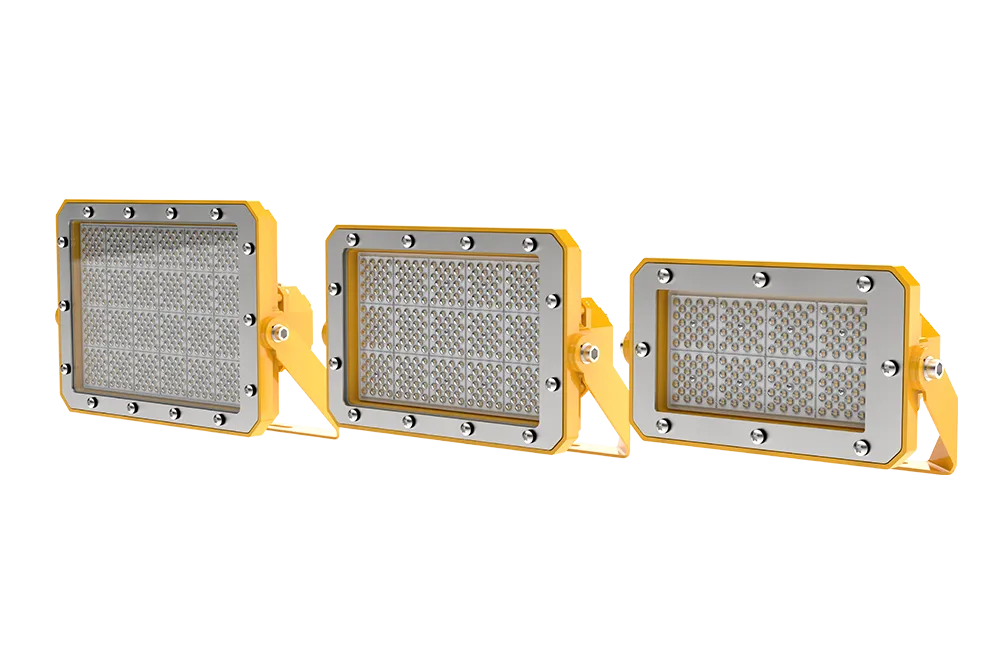
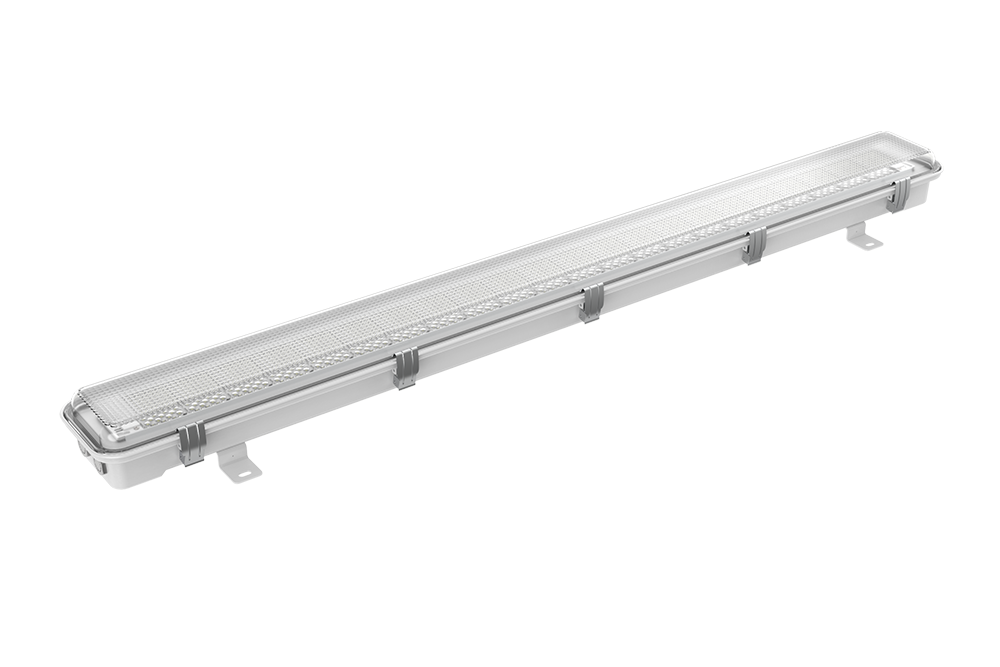
Performing safely among hazardous locales for instance chemical sites requires designed tools aiming to avoid conceivable hazards. Flame-proof illumination units are fundamental features in related sites, fabricated to withstand flammable particles, catchable exhalations, and detonating zones. Different tools are not originally risk-free; instead of that they are constructed to restrain any inside flash or emission and halt it from triggering a amplified discharge in the adjacent location. This compendium provides crucial knowledge about explosion-proof units, their uses, and risk management matters for applying them properly.
Recognizing Explosion Proof Lighting Standards
Operating within prescribed intrinsically safe lighting codes can be demanding, especially regarding industries handling hazardous settings. These standards – often supported by authorized bodies like the National Electrical Association (NEC), ATEX (Europe), and IEC – define definitive design and application techniques to prevent the likelihood of combustion from energized units. Understanding prescribed standards is decisive for ensuring technician safety and respect with official obligations.
LED Hazloc Certified Luminaires: Effectiveness & Protection
Electroluminescent blast-proof illumination sources deliver a considerable enhancement over older vapor illumination in areas where combustible agents are observed. These tough appliances merely supply superior energy optimization, causing decreased expenses, but crucially support a elevated quality of prophylaxis by eliminating the risk of burning as a consequence of fault discharge}.
Ex Unsafe Environment Risky Proof Explosion Radiance Light Resistant} Fixtures : A Complete Outline
Explosion Safe Risky Place Toxic Proof} Fixtures are specially crafted lighting devices built to act safely within probabilistically flammable fields. These solid fixtures avoid sparks, thermal flux and power charges from starting a catastrophic explosion. They normally incorporate advanced designs, including particularly encased housings and constitutionally safe circuitry assemblies to maintain safety codes in markets like natural resource & combustible gas processing, chemical plants, digging operations, and pharmaceutical production.
Determining the Correct Blast-Proof Systems for Risky Regions
Selecting the most fitting intrinsically safe devices for a specific at-risk location obliges detailed inspection. Elements such as the rating (e.g., Segment I, II, or III and areas A) shall be correctly examined to ensure conformance with pertinent safety guidelines. Additionally the area's natural menaces, ponder ambient elements, embracing thermal conditions and dampness, to select a tough and non-hazardous solution. Regularly engage a professional engineer to guide your selection process.
Sites Where Are Needed Explosion Proof Lights?
Explosion-proof commonly known as intrinsically safe|hazardous location|Class-rated} lighting apparatus are strictly needed in specific areas where inflammable aerosols or microparticles could may create a toxic atmosphere. This generally includes chemical processing plants, paint application areas, flour handling facilities, and industrial treatment areas. Regulations, such as those from OSHA and NFPA, require their deployment in these sites to reduce the risk of combustion and secure safety continuity.
Advantages of Light Emitting Diode in Intrinsically Safe Illumination
Switching to LED technology for explosion proof luminaires offers a meaningful collection of pros. First, photon emitters boast a considerably longer service life compared to traditional vapor lights, reducing handling payments and pauses. They are also basically safer, producing diminished warmth which minimizes the hazard of fire outbreaks in risky atmospheres. Besides, electroluminescent units are notably energy saving, leading to minimized energy bills and a lowered ecologic trace. Finally, the tough fabrication of Luminescent lighting systems absorbs the rigorous environments typical of flammability-rated areas.
- Enhanced Operating Life
- Curtailed Repair Costs
- Elevated Protection
- Abated Electrical Usage
- Fortified Robustness
Conserving and Assessing Explosion Proof Lighting Systems
Regular care and detailed scrutiny of hazardous location lighting arrangements are essentially indispensable for securing risk management and reducing potential liabilities. This requires a recurrent review of all elements, such as light fittings, tubing, electric cables, and connected wire boxes. Specifically, review for corrosion, body impairments, and reliable bonding. What is more, ensure that entire signs are legible and that the lighting system conforms to relevant guidelines. led explosion proof lights
- Accomplish external assessments.
- Analyze wire interfaces.
- Verify ignition safety.
Next Generation of Explosion Proof Lighting Technology
Changing landscape of explosion-proof lighting technology offers a notable shift from traditional designs. Future methods will more and more incorporate remote capabilities, enabling remote monitoring, diagnostics, and adjustable control. We foresee a increasing adoption of electroluminescent technology, not only for its basic energy efficiency, but also its aptitude to facilitate installed sensors for gauging unstable conditions. Furthermore, materials study is leading innovations in resilient casing materials, allowing for more compact and improved designs, while retaining the mandatory levels of risk mitigation.
- Advanced battery life for transient applications.
- Incorporation with anticipatory maintenance structures.
- Design of self-maintaining lens arrangements.