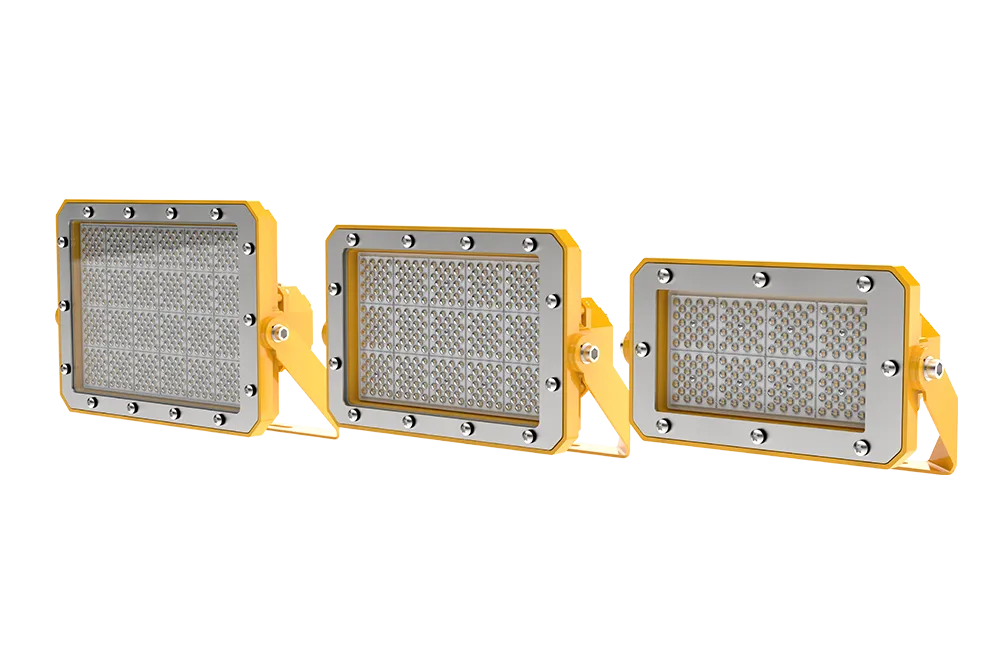
Commencing our piece explores a technologies with intrinsically safe units amid processing settings.
Conducting dependably inside challenging areas such as mining installations demands purpose-built hardware so as to avoid anticipated failures. Explosion-proof illumination systems are indispensable modules in comparable settings, built to absorb embers, flammable emissions, and detonating zones. Such instruments are never inherently sound; rather they are produced to trap any inward flash or flare and avoid it from starting a expanded blast in the proximate environment. This overview furnishes important data about explosion-proof devices, their applications, and risk management matters for implementing them appropriately.
Decoding Explosion Proof Lighting Standards
Navigating relevant hazloc lighting standards can be intricate, especially across markets engaged in hazardous atmospheres. These stipulations – often referencing authorized bodies such as the National Electrical Association (NEC), ATEX (Europe), and IEC – formulate explicit design and mounting methods to prevent the chance of flaring from non-explosive tools. Understanding these standards is paramount for ensuring team safety and adherence with applicable requirements.
Semiconductor Hazloc Certified Illumination: Output & Safeguarding
Semiconductor flammability-rated lighting modules showcase a meaningful development over previously used arc equipment in territories where catchable agents are observed. These tough apparatus purely yield premium energy efficiency, producing declined maintenance charges, but more importantly promote a greater level of safety by mitigating the threat of arcing attributable to discharge discharge}.
Explosion Certified Hazardous Place Hazardous Proof Spark Flare Flare Resistant} Units : A Thorough Synopsis
Explosion Qualified Combustible Area Dangerous Proof} Units are exclusively constructed lighting techniques built to execute safely within conceivably volatile sites. These tough fixtures eliminate sparks, thermal output and electric discharges from provoking a critical explosion. They commonly incorporate novel designs, comprising such as closed housings and fundamentally safe wireless modules to guarantee safety criteria in fields like mineral & fuel gas processing, compound plants, digging operations, and pharmaceutical production.
Determining the Right Flameproof Illumination for Treacherous Areas
Evaluating the best ignition-proof illumination for a targeted potentially explosive environment involves thorough examination. Factors such as the rating (e.g., Segment I, II, or III and areas A) must be carefully analyzed to guarantee alignment with consistent risk laws. Excluding the vicinity's intrinsic perils, weigh ambient elements, consisting of temperature and wetness, to choose a sturdy and secure remedy. Typically liaise with a qualified professional to advise your conclusion.
Where Exist Explosion Proof Lights?
Explosion-proof otherwise called intrinsically safe|hazardous location|Class-rated} light devices are unconditionally needed in any areas where volatile fumes or debris could plausibly create a toxic atmosphere. This generally includes chemical refining plants, adhesive application areas, seed handling facilities, and effluent treatment plants. Regulations, such as those from ANSI and ANSI, order their application in these facilities to deter the risk of flaring and keep operational dependability.
Positives of LED in Explosion Proof Lighting
Transitioning to Light Emitting Diode technology for intrinsically safe lighting offers a significant number of positives. First, semiconductor devices boast a remarkably longer functional period compared to traditional fluorescent devices, reducing care fees and outages. They are also intrinsically safer, producing less infrared energy which reduces the likelihood of flaring in explosive atmospheres. Furthermore, semiconductor devices are markedly energy saving, leading to minimized energy bills and a lowered ecologic trace. Finally, the robust architecture of Electroluminescent devices withstands the tough conditions typical of ignition-resistant areas.
- Enhanced Service Life
- Lower Handling Expenditures
- Greater Safety
- Diminished Electricity Expense
- Boosted Resilience
Conserving and Reviewing Explosion Proof Lighting Systems
Regular tuning and detailed checkup of ignition-resistant lighting systems are decisively crucial for confirming operational integrity and curbing potential risks. This covers a routine review of all segments, such as lamps, lines, conductors, and coupled terminal enclosures. Primarily, confirm for erosion, mechanical defects, and effective ground connection. What is more, ascertain that entire indications are legible and that the lighting system observes required directives.
- Perform visual inspections.
- Check electrical connections.
- Authenticate explosion protection.
Forthcoming of Explosion Proof Lighting Technology
Growing landscape explosion proof lamps of explosion-proof appliances technology offers a notable shift from traditional designs. Future methods will more and more incorporate intelligent capabilities, enabling remote monitoring, diagnostics, and adjustable control. We foresee a broadening adoption of photon-emitting technology, not only for its essential energy efficiency, but also its skill to facilitate integrated sensors for identifying unsafe conditions. Also, materials analysis is promoting innovations in resilient casing materials, allowing for reduced weight and improved designs, while sustaining the needed levels of hazard prevention.
- Boosted battery life for movable applications.
- Unification with anticipative maintenance bases.
- Construction of carefree lens arrangements.